

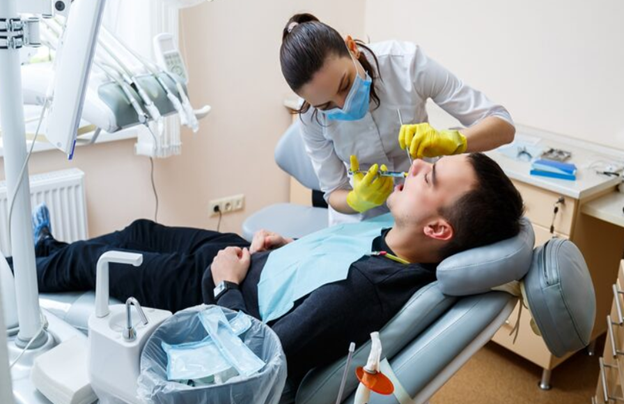




















As a rule, when a person experiences pain, it is only at odd hours that they will consider dental emergency services. Such a response is natural, yet preparing in advance will indeed help to ease the situation during stressful events. Not all clinics respond to urgent cases in the same manner, and response time may differ from what is anticipated. It is also good to know which clinics can accommodate walk-ins and which cannot. Minor preparation helps to avoid confusion in the future.
What counts as urgent and what can actually wait?
There are a few dental problems which seem to be severe and yet may not necessarily require urgent treatment the same day. Acute pain, swelling, or bleeding tend to be considered dental emergency services with little controversy. Conversely, a slight sensitivity or small chips could be postponed to a planned visit. Being aware of the distinction helps to minimise the needless panic and hasty judgements. It also assists clinics in managing time more efficiently for patients who actually require urgent attention.
Booking routine visits still matters more than people admit
Checkups are never an urgent thing; thus, they are always put aside again and again without much consideration. An appointment with a dental hygienist is an important step in ensuring that no buildup occurs and that the initial signs of problems are detected. Such visits are typically accompanied by cleaning, polishing, and some general examination by the professionals. Leaving them out time and again heightens the risk of requiring urgent care in the future. That trend occurs more frequently than individuals are aware.
Timing and availability sometimes create unexpected problems
The working schedules of dental clinics might not fit the sudden emergencies quite well. Even the locations that provide dental emergency services may have few slots based on the availability of the staff on that day. Making an advance call normally provides a better picture rather than simply walking in and waiting around. To get regular checkups, it is preferable to book an appointment at a dental hygiene centre early to avoid long intervals between appointments. Timing does not appear to be a large thing, but access is impacted to a great degree by timing.
Communication during appointments can change the whole experience
Patients sometimes hesitate to explain symptoms clearly, which can delay proper treatment decisions. Being direct about pain level or discomfort helps dentists respond more accurately and quickly. During dental emergency services, clear communication becomes even more important because time matters. For regular visits like a dental hygiene appointment, discussing habits and concerns helps improve long term care. It is simple, but often overlooked.
Simple habits that reduce the need for urgent visits later
Daily brushing and flossing sound basic, though consistency is where most people struggle quietly. Good habits reduce the likelihood of needing dental emergency services unexpectedly. Regular checkups combined with a proper dental hygiene appointment schedule keep issues from building up unnoticed. These steps are not complicated, but they require steady attention over time. Skipping them leads to avoidable problems more often than expected.
Conclusion
Dental care often becomes reactive instead of planned, which leads to unnecessary stress during sudden situations. The website guildforddentalpractice.co.uk can be checked once to understand available services and booking options. People should treat dental emergency services as a backup rather than a regular solution for oral health issues. Keeping up with each dental hygiene appointment makes a real difference in preventing serious problems later. Review your habits, plan your visits, and contact a qualified dental professional when needed to maintain consistent oral health.

